

James
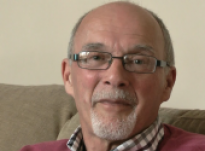
James had a heart attack in February 2011 and a stroke in 2010. He had primary angioplasty and two stents fitted. He completed the six weeks cardiac rehabilitation programme and continues attending the weekly sessions as part of a local community health programme. James has made significant changes to his diet, levels of exercise and has given up smoking.
Widower, has two daughters and grandchildren and all live in the same town. He and his partner live in separate homes. Until his retirement, he was a manager in an insurance company. Ethnic background' White British.
More about me...
James had a stroke in 2010 and a heart attack sixteen months later. The symptoms leading to his heart attack were not what he would have recognised as classic symptoms. Over the weekend he felt cramp-like stomach pain and on Sunday developed a tingling down his neck and chin. It was this last symptom that prompted him to seek medical advice. He went down to his GP surgery on Monday morning. His doctor commented on how poorly he looked and examined him including an ECG test. He then called for an ambulance. The ambulance team did another ECG that was sent to the cardiac team in the hospital ahead of his arrival.
James was a heavy smoker. He started smoking cigarettes aged thirteen and on average he smoked around thirty a day. After his stroke and heart attack he reduced the number of cigarettes but did not give up completely. James thought it was crazy to continue smoking but that was what he did. For the last two months he has been able to give up with the help of “stop smoking” tablets; Champix.
James explains that a stressful work life, heavy smoking, lack of exercise and poor diet all contributed to his stroke and later to his heart attack. Champix helped him give up smoking.
James explains that a stressful work life, heavy smoking, lack of exercise and poor diet all contributed to his stroke and later to his heart attack. Champix helped him give up smoking.
James' GP did an ECG and sent for an ambulance. The ambulance crew also did an ECG which was sent to the hospital. At the hospital he was told he needed a primary angioplasty immediately.
James' GP did an ECG and sent for an ambulance. The ambulance crew also did an ECG which was sent to the hospital. At the hospital he was told he needed a primary angioplasty immediately.
The ambulance crew did an ECG which was sent electronically to the hospital. On arrival, the doctor told James that they would like to do a primary angioplasty without delay.
The ambulance crew did an ECG which was sent electronically to the hospital. On arrival, the doctor told James that they would like to do a primary angioplasty without delay.
The cardiologist at the hospital told James that he needed primary angioplasty without delay to avoid further damage to his heart.
The cardiologist at the hospital told James that he needed primary angioplasty without delay to avoid further damage to his heart.
James explains primary angioplasty and the care he received after the operation.
James explains primary angioplasty and the care he received after the operation.
James talks about the practical help and encouragement he got from nurses.
James talks about the practical help and encouragement he got from nurses.
James discusses the medication he is taking and its side effects.
James discusses the medication he is taking and its side effects.
The cardiac nurse was sympathetic when explaining James' condition and what he needed to do to avoid another heart attack.
The cardiac nurse was sympathetic when explaining James' condition and what he needed to do to avoid another heart attack.
The cardiac rehabilitation programme has made James very aware of the importance of exercise.
The cardiac rehabilitation programme has made James very aware of the importance of exercise.
James talked about what he learned while attending cardiac rehab and the independent yet supervised nature of Phase 4.
James talked about what he learned while attending cardiac rehab and the independent yet supervised nature of Phase 4.
At the time of his heart attack James was coping with medical retirement with the help of antidepressants. He thinks that giving up smoking helped his moods.
At the time of his heart attack James was coping with medical retirement with the help of antidepressants. He thinks that giving up smoking helped his moods.
James feels part of the cardiac team that is looking after him and thinks that the quality of care he receives is excellent.
James feels part of the cardiac team that is looking after him and thinks that the quality of care he receives is excellent.